
Shax’s Devoted Vows
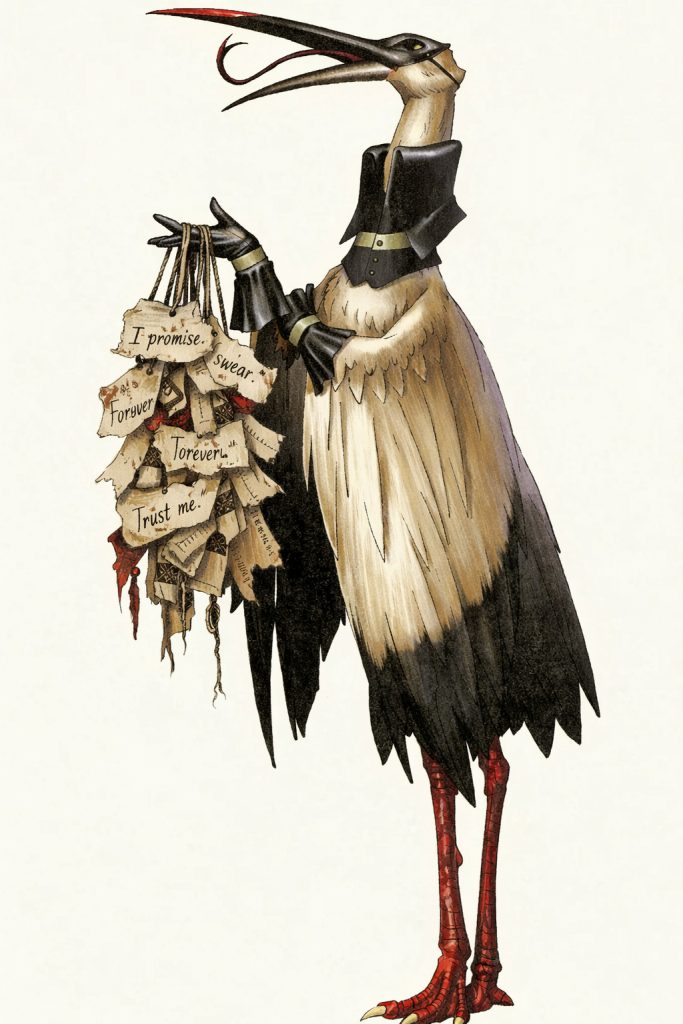
We have discussed that one of the most dangerous, yet often ignored, forms of fornication is the loss of one’s own center in the search for support in others. This betrayal of connection with spoken words leads to falling out of the hierarchy of Logos, often under the influence of the underestimated demon Shax.
Today, the world seems to have forgotten the inviolability of vows, the strength of oaths, and the value of promises. Breaking a promise is not seen as wrongdoing, merely a trivial mistake. The claim that “deeds are more important than words” seems true, yet in Magic, words are equally crucial.
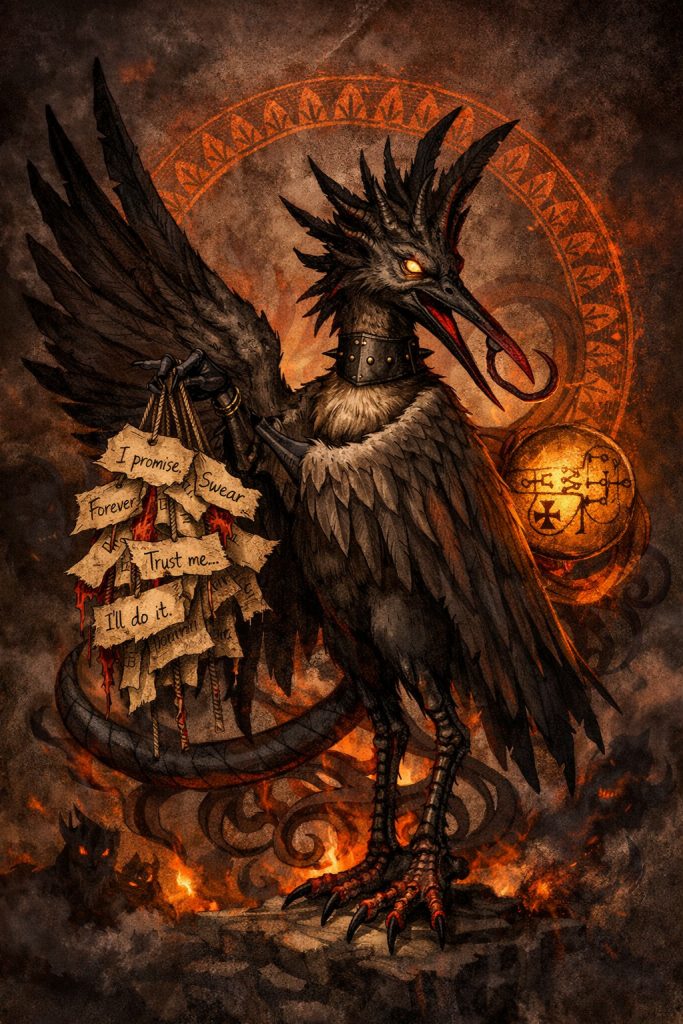
The modern individual, who often says “deeds are more important than words,” uses this to evade responsibility. Shax thrives on considering a promise as preliminary and transient. This undermines genuine commitment.
Promises fix the future, directing will even amidst changing moods or demanding circumstances. In traditional societies, oaths create certainty amidst the ocean of possibilities. Today, speech rarely serves this function. Words flow too freely, each cheapened, spawning an inflation of promises.
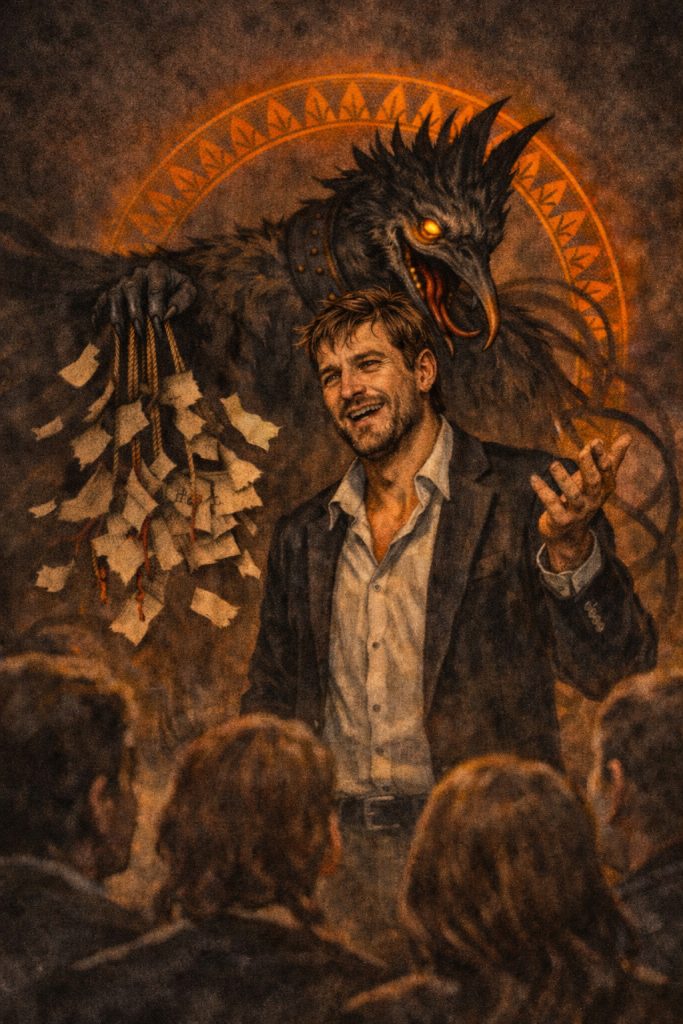
Shax’s matrix activates through the desire to please, to avoid awkwardness, to save face, using promises as tools to manage others.
When words turn inconvenient, easy excuses dissolve commitments: “I meant something else,” “You misunderstood,” “Circumstances changed.” This habit weakens inner resistance to breaking promises.

Shax gains power when words are seen as property. He belongs to the retinue of Asmodeus (and his “junior” subject — King of Lust, Beleth). Promises become commodities: taken out or hidden at will — a dangerous erosion of respect for Logos.
Words lose creative power, turning into mere tools serving passing interests. Shax leads individuals to view promises as foolish risks and fidelity as empty.
Today, we notice increased distrust in public speech. People say “we can’t agree even on facts.” This devaluates the reliability of words. Shax turns this into a norm, where promises become conditional, just tools for manipulation.
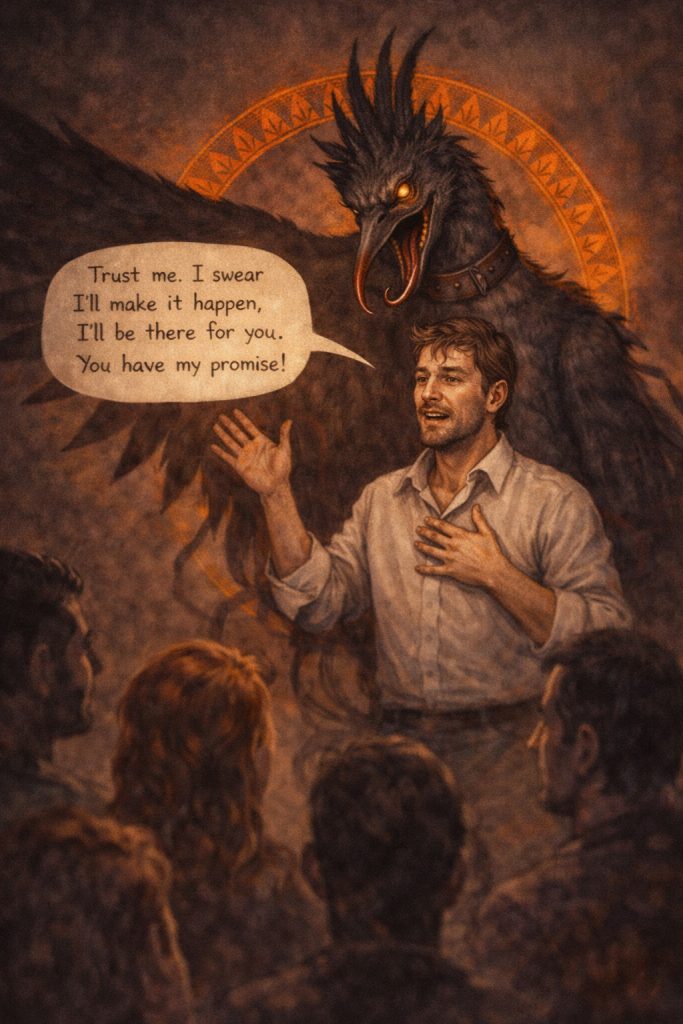
“Actions over vows,” people think, for actions are visible and quantifiable. A vow seems ornamental, irrelevant to the current picture.
Seemingly right actions turn into universal indulgence. Individuals do good and judge themselves decent. This easing of conscience makes promises seem trivial, mere details open to “clarification,” delay, or avoidance.
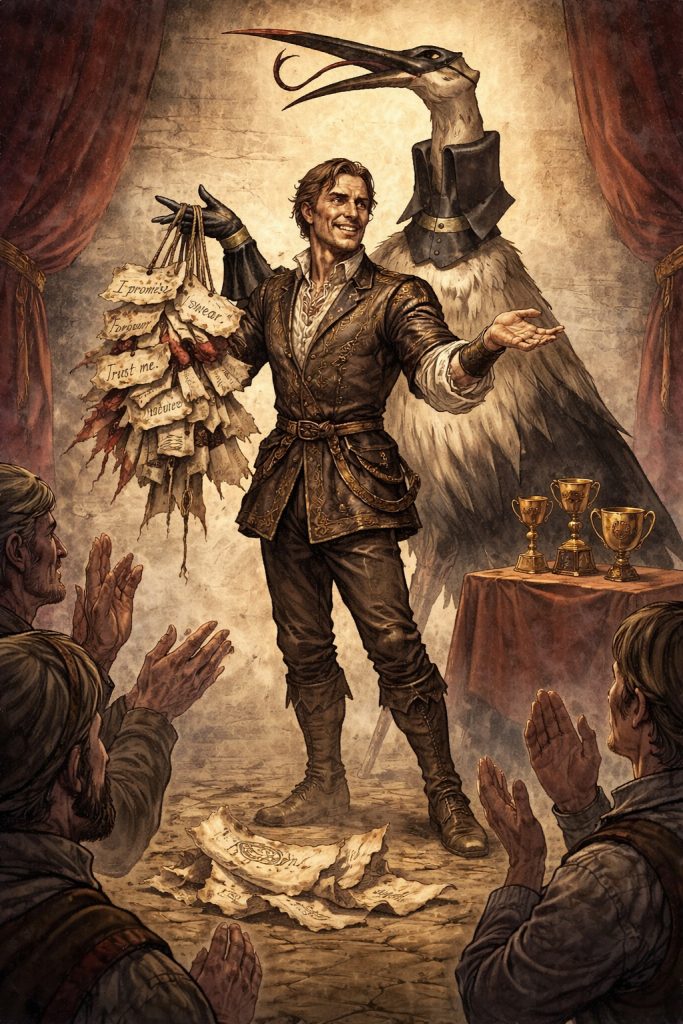
Under Shax’s influence, moral action confuses with the merit of the source of action. Good deeds create an illusion that vows are redundant, allowing minor betrayals under the guise of “flexibility.”
Shax divides consciousness: outwardly correct, inwardly devalued. Social approval masks the divide between actions and inner essence.
Shax hides that correct actions may stem from habit, calculation, fear, appearance, or group pressure. These do not fortify the center of consciousness. Vows, however, anchor it, aligning will with chosen Logos ahead of doubts and justifications.
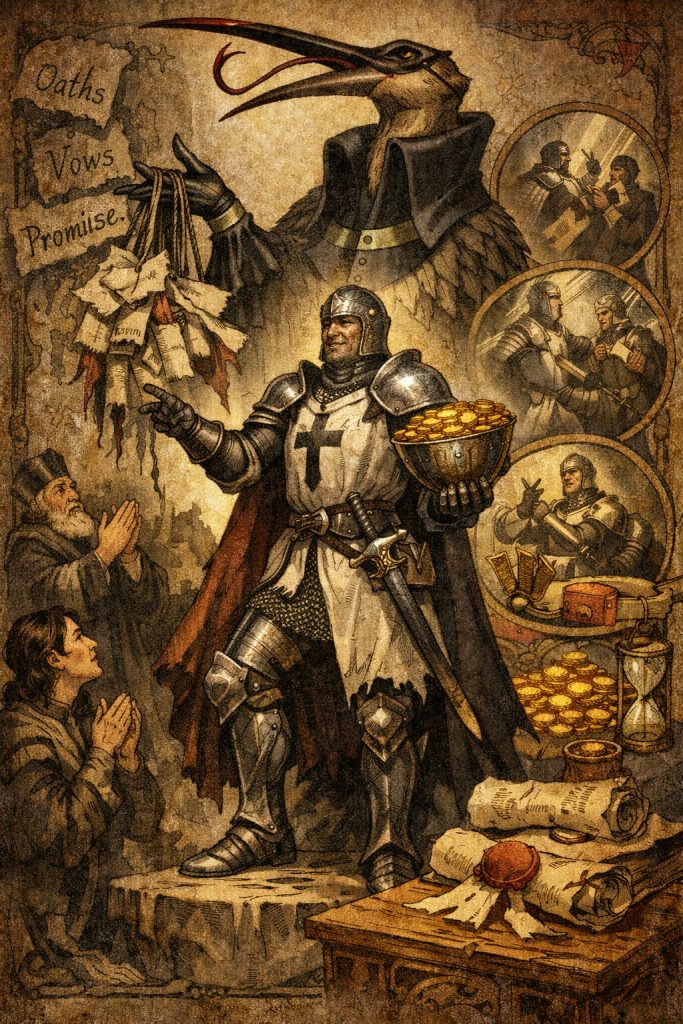
Shax exploits the gap between visible correctness and inner fidelity. He draws individuals into replacing promises with actions, nullifying their meaning. External decency belies the erosion of inner continuity, the foundation of trust.
Today’s world, under dual pressure— demonic and archontic — encourages lack of clear internal centers. Such consciousness resists commercialization and control. Attention is currency; platforms prefer easily “switchable” identities.
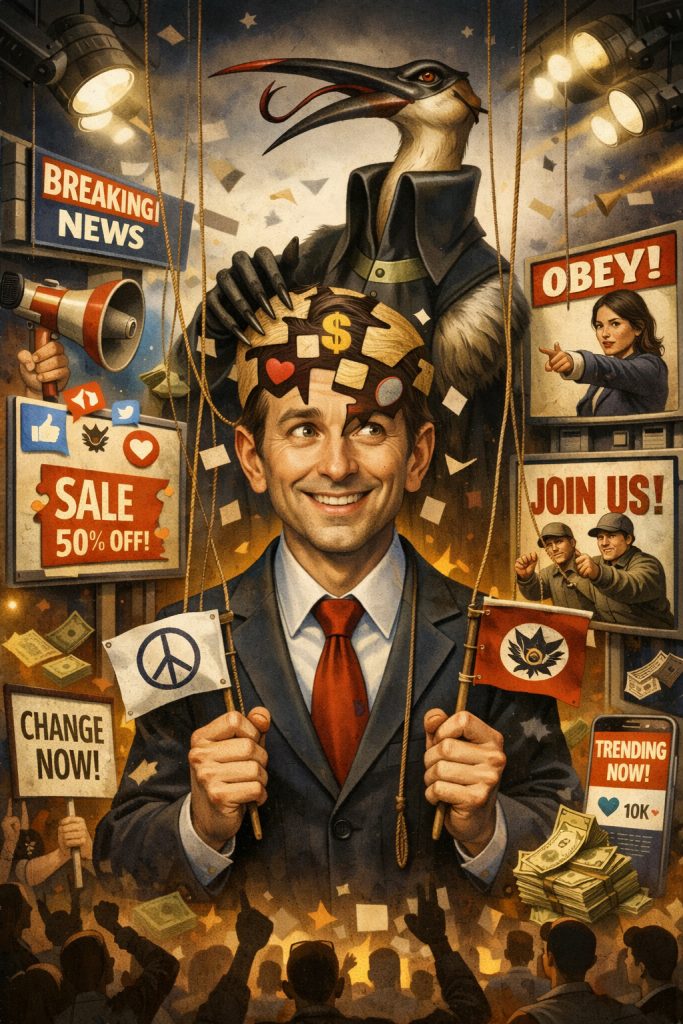
This world values maneuverable identities. One’s self as a “project” perpetually rewritten buys new symbols, roles, affiliations. Human experience becomes “data,” sold for predictions. A market for reactive, switchable identities emerges.
Social and work realities favor short-term personas. “Life in segments” — projects, gigs, quick roles — misconstrues the internal axis as impractical. Inner steadiness becomes an impediment while adaptability is misinterpreted as conformity.

Rapid change blurs stability with stubbornness, merging internal integrity with inertia. Adaptation without a core breeds opportunism. A stable center allows change while maintaining identity. Its absence permits change, sacrificing self.
Modern culture trains us to treat words as drafts, promises as lubricants. In this environment, the “devalued speech” demon aligns with platform profits and social convenience.
Opposition to Shax begins with speaking less but with precision. Promises should imply binding obligations. Irrevocable promises create worlds without “gaps” or “leaks,” structuring measurable, clear, effort-valued futures. Words reclaim their power as creators of futures untangled by predators. Promises must become rare and weighty again, reinforcing the center of consciousness — shielding it from chaos.


Shax — Devalued Words

The Three Heads of Asmodeus
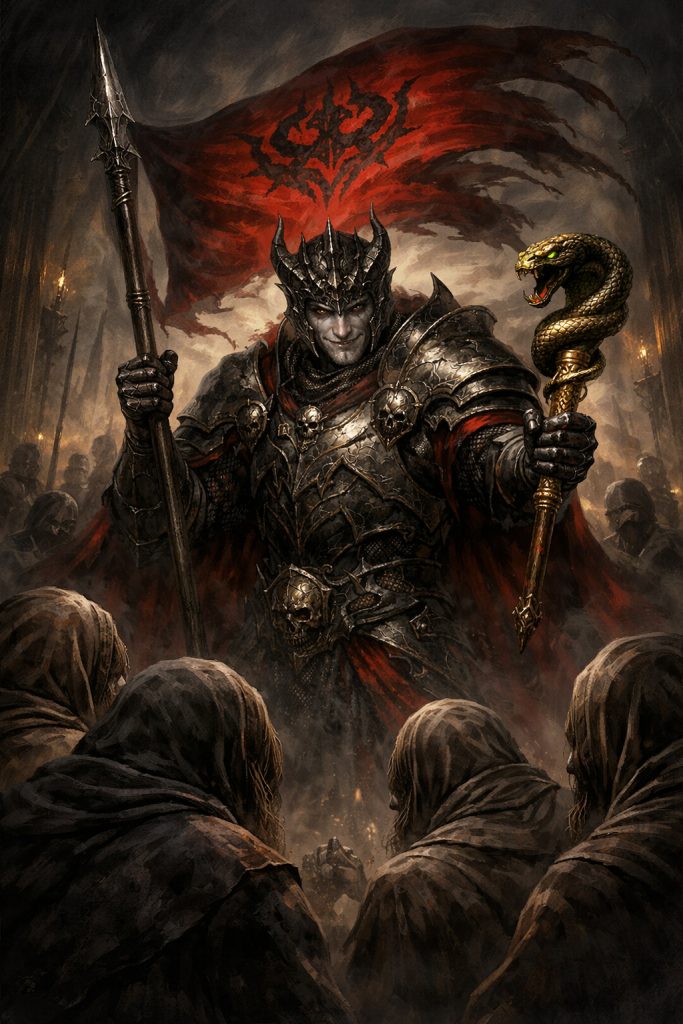
Authoritarian Identification with Abigor
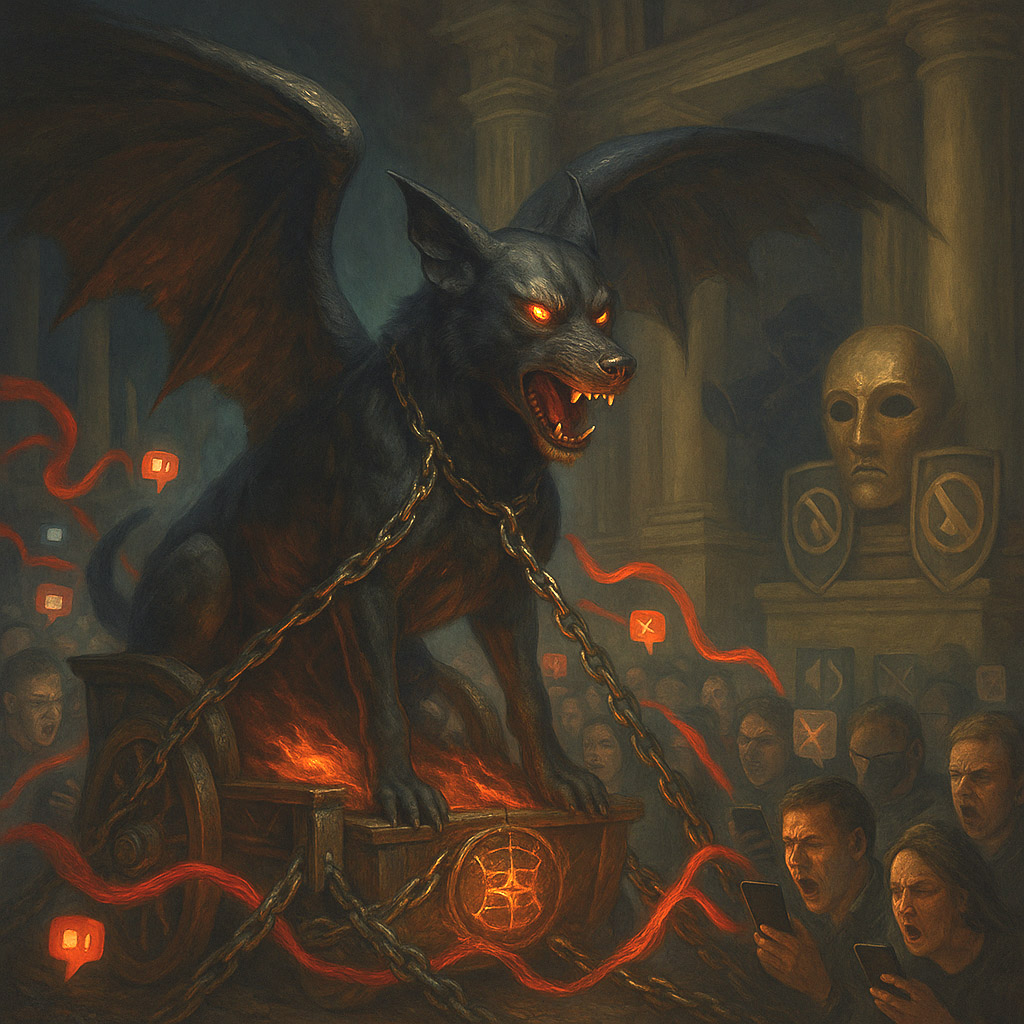
Glasya-Labolas and the “Independence” of the Digital Age
Valac and the “Witch Hunt”

Astaroth and the Archons
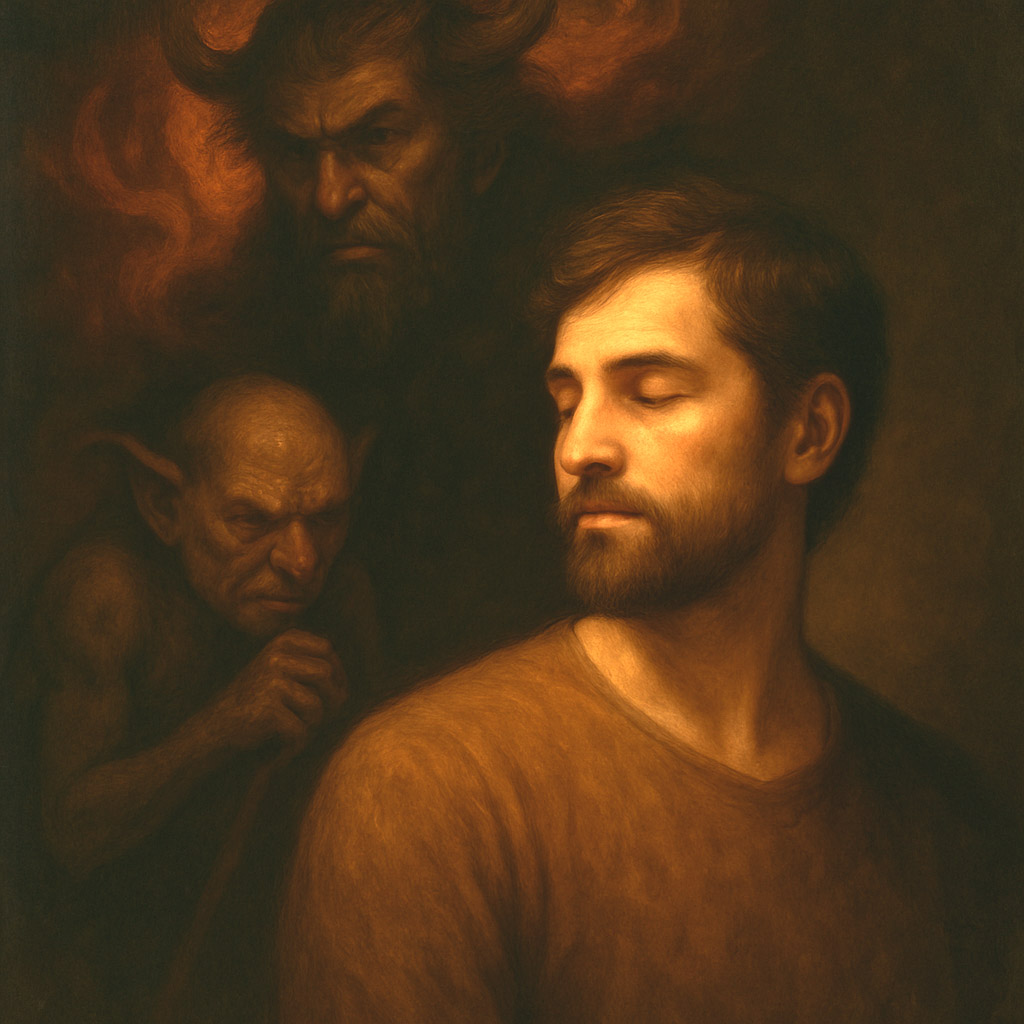
Yakhtanabas: The Trap of Righteousness

Haagenti’s Rose-Colored Glasses
Thank you.
Thank you, Master! Very relevant article.
Thank you very much!